Introduction
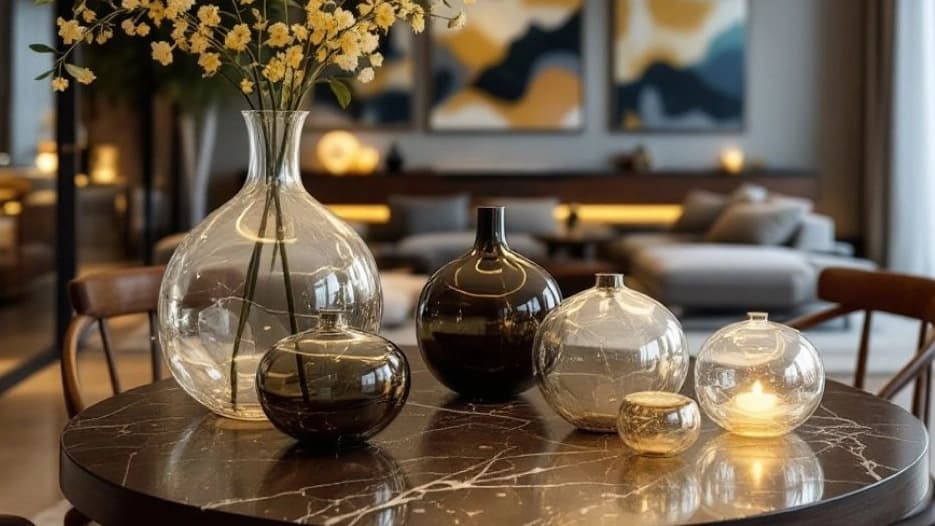
is an art that dates back thousands of years and is still considered one of the most attractive and creative handicrafts. By deforming natural materials by heat, this art creates unique works that continue to be attractive in today's modern world. Especially in Karaj, glass and industrial glass is integrated together and is specifically done in the manufacture of glass sculptures and bubbles.
History and Importance of Glass in Karaj
The art of glassware is one of the most important handicrafts in different parts of Iran, and Karaj is no exception. The historical roots of the glass in this area dates back to the previous centuries, when traditional workshops were producing glass glass for home and decorative consumption.
During the centuries, the development of the glass industry in Karaj has become one of the hubs of this art in Iran due to access to high quality raw materials and skilled professionals. Karaj glass people have been able to create works to be considered in domestic and international markets using traditional and modern techniques.
The importance of glassware in Karaj is not only because of the production of artworks, but the industry has also acted as an economic axis and has provided many job opportunities for the people of the region. Many small traditional workshops have become larger factories and educational centers by expanding their activities, which have contributed to the region's economic and cultural development. Glass Reza Dahaqin is one of the leaders of the industry in Karaj. The center plays a key role in the development and development of this art by preserving the authenticity of glass art and its integration with modern innovations.
Glassing process: From raw materials to artworks
The glass process contains a variety of stages, each of which requires their own accuracy and expertise. This process begins with the selection of raw materials and ends with the creation of artwork.
Select and prepare raw materials:
The raw materials required for glass include silica, metal oxide and other chemicals. The correct composition of these raw materials is the basis of quality glass production.
Melts:
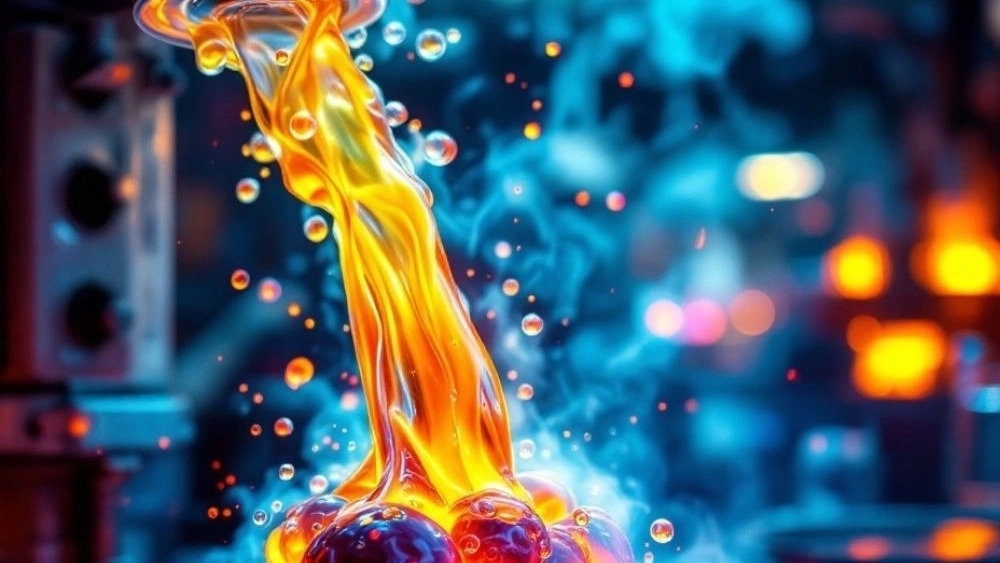
The raw materials combined in specific furnaces melt at high temperatures. This melting process causes the material to become liquid and prepare for plague.
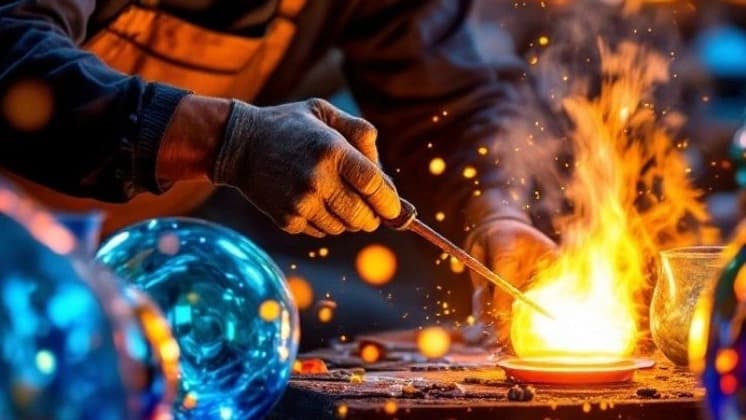
Direct heat formation: One of the key ways to glass is to form direct heat. The glassmakers convert the molten glass into their favorite shapes using metal bars and special techniques. This process requires high skill and experience to create complex forms without cracking or fractures. cooling and fixing shape: After forming, glass effects should be gently cool so that the cracking does not occur. This process may take hours or even days for the glass to obtain the necessary resistance. Pay and decorate: At this point, glass -makers decorate glass works. This includes shaving, painting or engraving on the glass that gives a special beauty to the works. Glass Reza Daqaqin focusing on accuracy in each of the above steps has been able to produce unique and high quality products that have attracted the attention of artistic customers and architects.
Why is the glass different from direct heat?
More control over the final form:
Possibility of creating custom designs:
Use of traditional techniques:
Diversity in color and transparency:
The Role of Glass in Interior Decoration and Architecture